

From Nork, Erebuni offers a chance to explore Yerevan’s ancient eastern edge: the fortress is associated with a city built by Rusa II in the 7th century BC, while the adjoining museum-reserve presents archaeological finds and Urartu’s history.
- Address: 38 Erebuni Street, Yerevan.
- Regular opening pattern: Open Tuesday to Sunday; closed Monday
- Entrance tickets: AMD 1,500 for adults, AMD 1,000 for students and AMD 500 for children.
- Public transport: trolleybus route T2 has a stop at the Erebuni Museum.
Why Erebuni matters
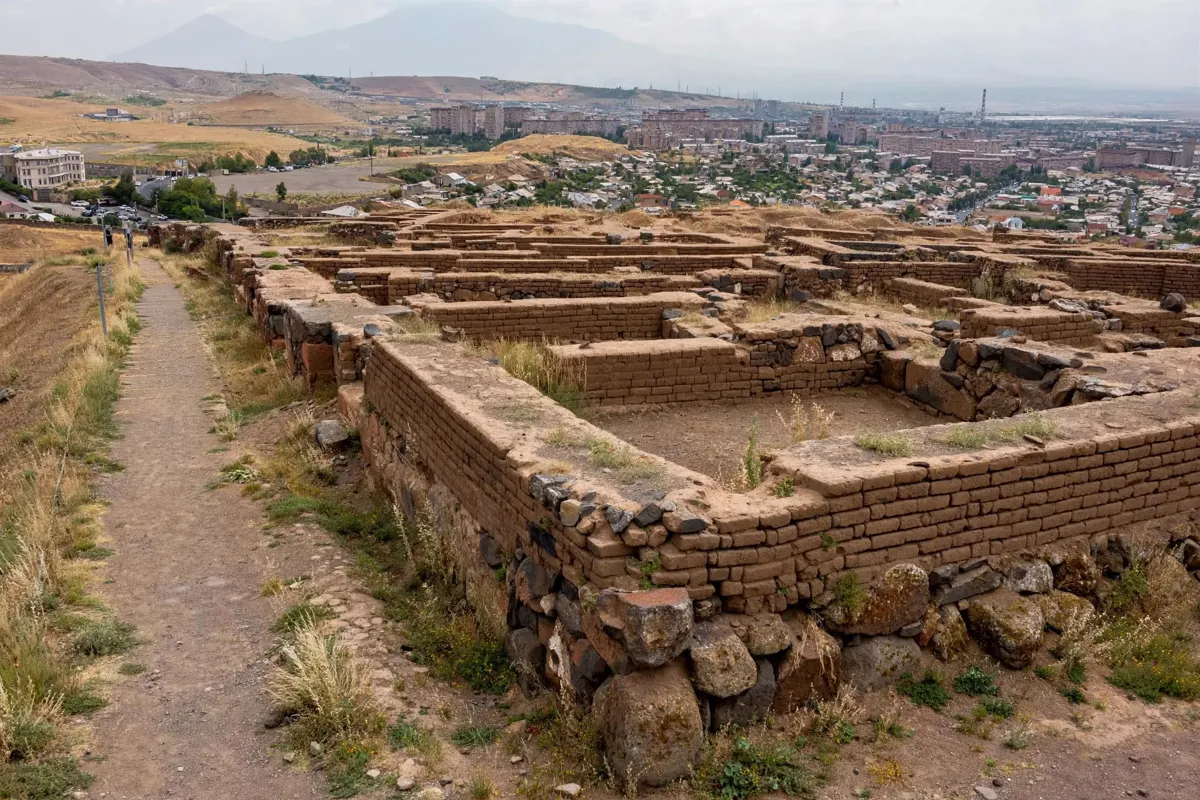
Erebuni matters because its fortress site is tied to the ancient kingdom of Urartu and to Yerevan’s history. The Erebuni Historical and Archaeological Museum-Reserve was founded on October 19, 1968, for the 2,750th anniversary of Yerevan.
The museum-reserve was established around three archaeological sites: Arin Berd, Karmir Blur and Shengavit. Erebuni Fortress is described as a city built by Rusa II in the 7th century BC, making the fortress and its associated museum a history-focused stop within the city.
What can you see at Erebuni Fortress and Museum?
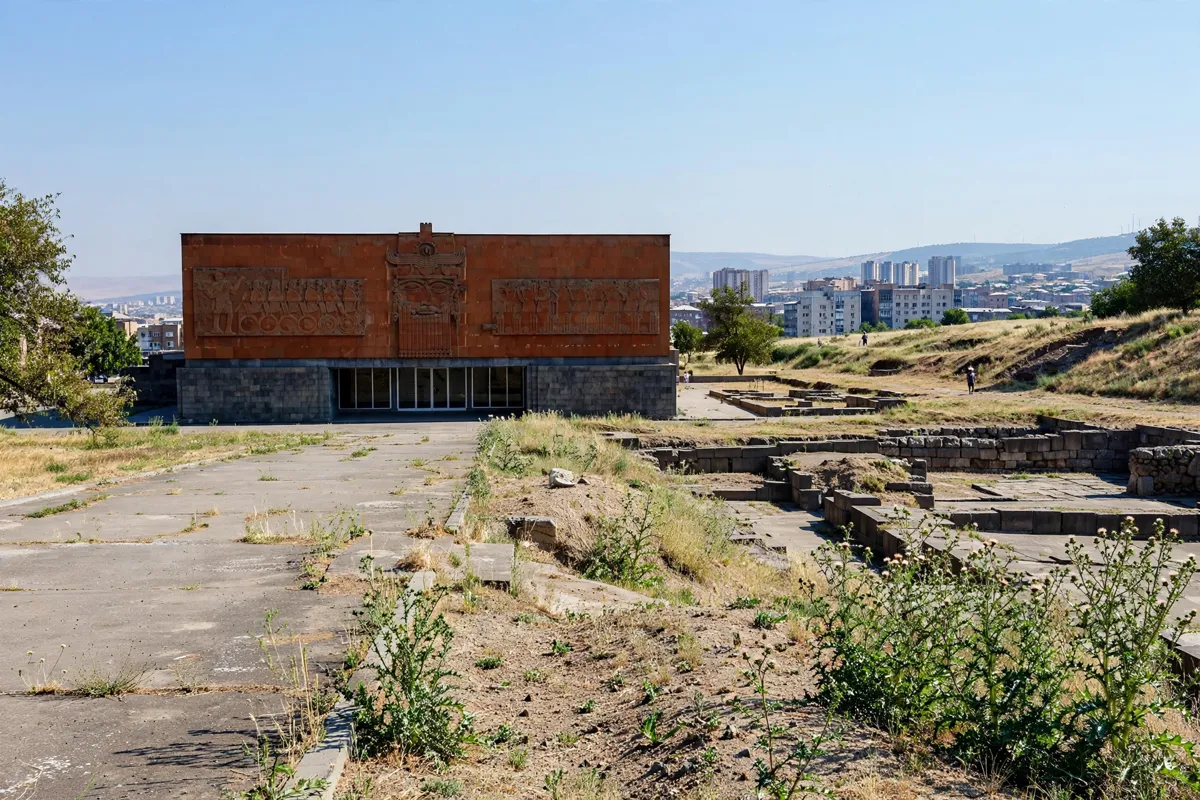
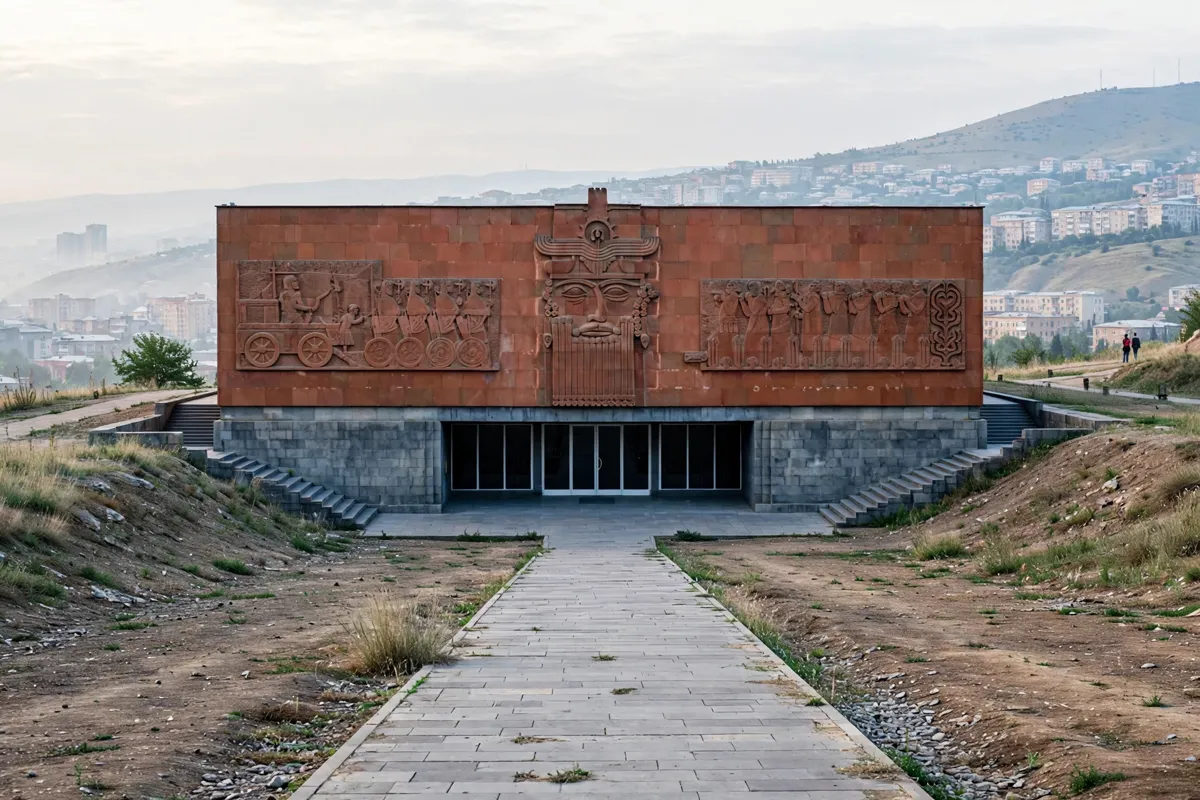
The museum’s permanent exhibition covers Urartu’s history, economy, architecture and fine arts, as well as irrigation and fortification systems, wall painting and pottery. Its displays place the fortress within a broader picture of how the ancient city was built and organized.
The museum website identifies a cuneiform stone as telling of Yerevan’s founding and gives a total of 23 cuneiform inscriptions. Collection totals vary across sources: the museum holds more than 12,758 to more than 20,000 archaeological objects, across 160 to 161 collections.
Tickets, hours and access checks
Adult admission is AMD 1,500, student admission AMD 1,000 and children’s admission AMD 500. Guided tours cost AMD 2,000 in Armenian or AMD 4,500 in English, Russian, French or German; advance registration is advised.
For current hours, ticket details and tour arrangements, check the official site before you go.
Opening hours
- Tuesday: open 24 hours
- Wednesday to Sunday: 10:30–16:30
- Monday: closed
Last checked November 2026. Hours can change on holidays and for special events.
Facilities include Wi-Fi, toilets, parking and a souvenir shop, and photo and video are permitted. The museum website mentions no café.
How do you get to Erebuni from Nork?
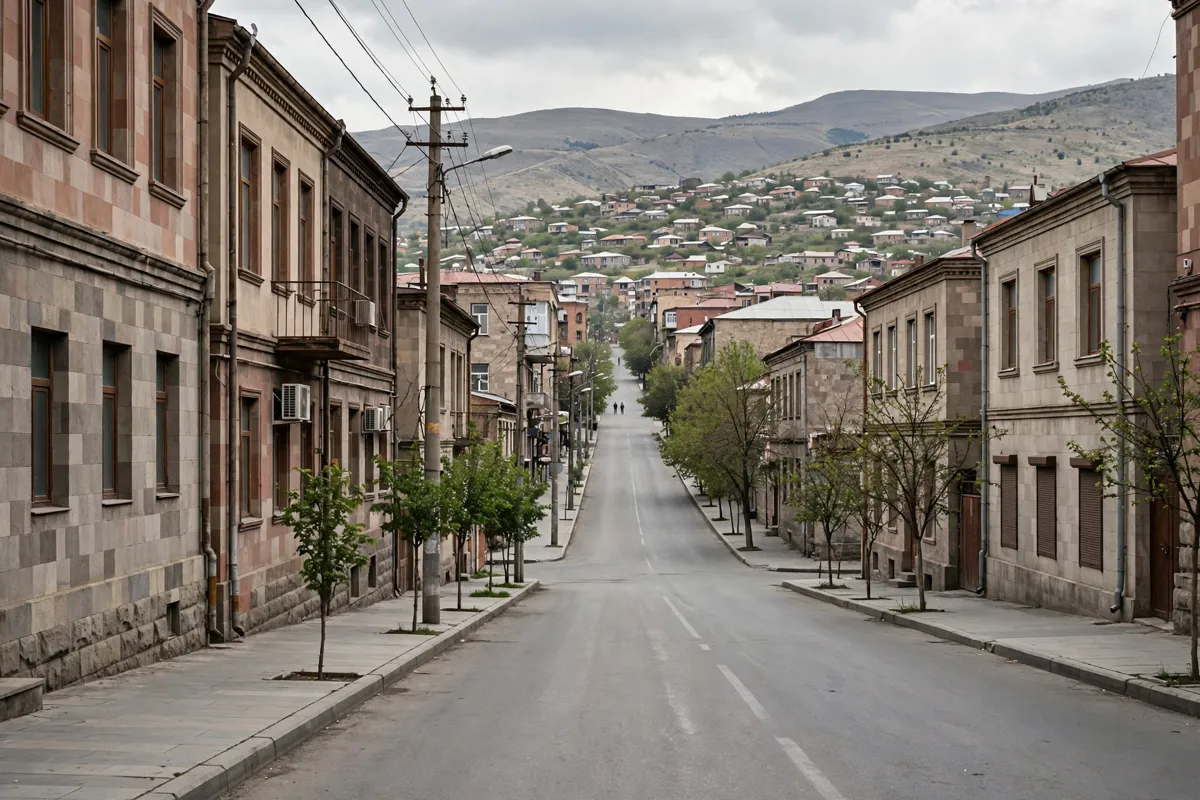
Trolleybus route T2 stops at the Erebuni Museum and runs from Aeratsia toward Nubarashen, passing through central Yerevan along Tigran Mets Avenue, Artsakh Avenue and Erebuni Street.
From Hotel Nork Residence, Yerevan city centre is about 22 minutes by car; you can continue from there on T2 and pair the museum visit with the fortress site and its archaeological context.
If you’re planning to use public transport, the Yerevan public transport guide covers getting around from Nork. The museum-reserve’s address is 38 Erebuni Street; confirm route details before travelling, since transport information can change.
Making time for the site
Allow time for both the permanent exhibition and the fortress-related archaeological context: the museum-reserve encompasses three sites, Arin Berd, Karmir Blur and Shengavit. Guided tours are available in Armenian, English, Russian, French and German, with advance registration advised by the museum.
Erebuni’s place within Yerevan makes it a history-focused stop during a city visit; browse Nork Residence rooms.
FAQs
Where is Erebuni Museum?
The Erebuni Historical and Archaeological Museum-Reserve is at 38 Erebuni Street in Yerevan.
Which days is Erebuni Museum open?
Open Tuesday to Sunday; closed Monday. Check the museum’s official site before you go.
Can you take photos at the museum?
Photo and video are permitted.
Is there public transport to Erebuni Museum?
Yes. Trolleybus route T2 has a stop at the Erebuni Museum. The route passes through central Yerevan via Tigran Mets Avenue, Artsakh Avenue and Erebuni Street.